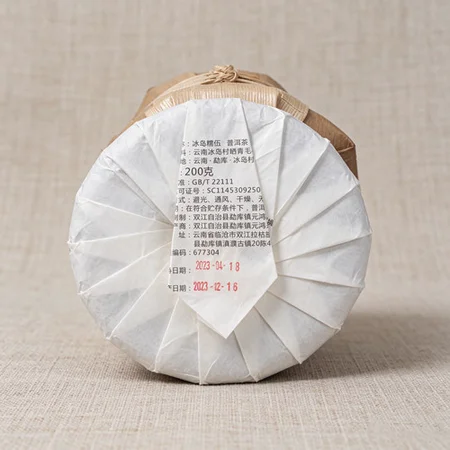
Pu'er tea is primarily produced in regions such as Pu'er City, Lincang City, and Xishuangbanna Dai Autonomous Prefecture in Yunnan Province. It is a large tree, reaching up to 16 meters in height. The young branches are covered with fine hairs, and the terminal buds are covered with white downy hairs. The leaves are thin and leathery, oval in shape. The flowers are axillary and covered with downy hairs. There are 2 bracts, which fall off early. There are 5 sepals, nearly round, and glabrous on the outside. There are 6-7 petals, obovate in shape, and glabrous. The stamens are 8-10 millimeters long, free, and glabrous. The ovary has 3 chambers, covered with downy hairs; the style is 8 millimeters long, with the tip divided into 3 parts. The capsule is oblate-triangular in shape. Each chamber contains 1 seed, nearly round, with a diameter of 1 centimeter.
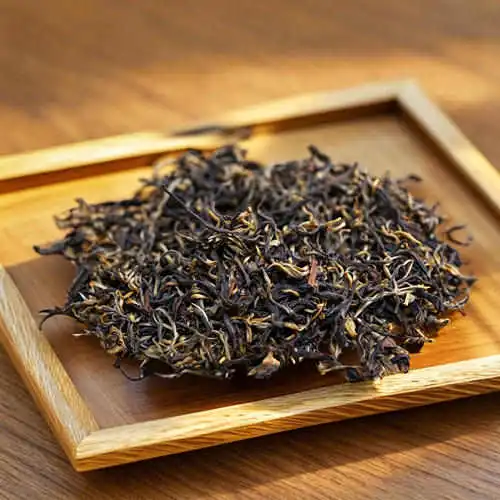
Pu'er tea emphasizes brewing techniques and the art of tasting. It can be enjoyed either neat or mixed. The Pu'er tea soup is thick and orange-yellow, with a high and lasting aroma, a unique fragrance, and a rich and mellow taste. It can be steeped repeatedly without losing its flavor.
Pu'er tea was once classified as a black tea, but is now classified as a post-fermented tea in the reprocessed category!