The "BRICS Tea Champions" and "the Belt and Road" 2026 10th China Kunming (International) Spring Tea Week opened in Kunming on the 24th, unveiling the prices of spring tea from 108 renowned Pu'er tea mountain heads in Yunnan. Among them, the highest price was achieved by the ancient tea trees in Midi, reaching 76,000 yuan per kilogram.
The event was hosted by the Kunming Tea Industry Association and targeted tea merchants from countries participating in the Belt and Road Initiative. It aimed to support tea merchants and enterprises, focus on the vast tea market in South and Southeast Asia, and facilitate the leapfrog development of Yunnan from a major tea-producing province to a powerful tea-producing province. During the event, more than 300 Yunnan tea distributors, buyers, agents, senior tea experts, and well-known tea enterprises from both domestic and overseas gathered in the Spring City to savor Yunnan tea.
During the Spring Tea Week, following past traditions, the latest purchasing price index for renowned tea-growing regions in Yunnan will be released, along with the annual new products, cultural and creative achievements, and technological advancements of tea enterprises. This includes well-known tea brands from regions such as Mintang, Banzhang, Bingdao, Mansong, Fenghuangwo, Xigui, Jingmai, Yibang, and Manzhuan.
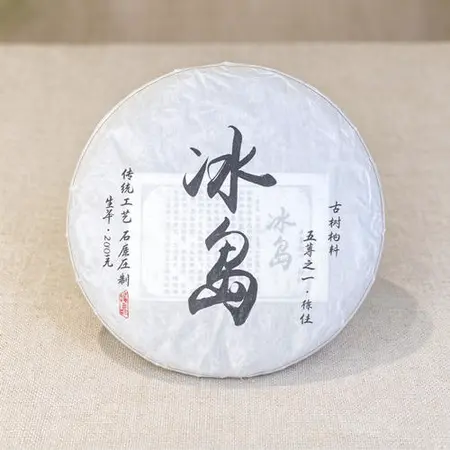
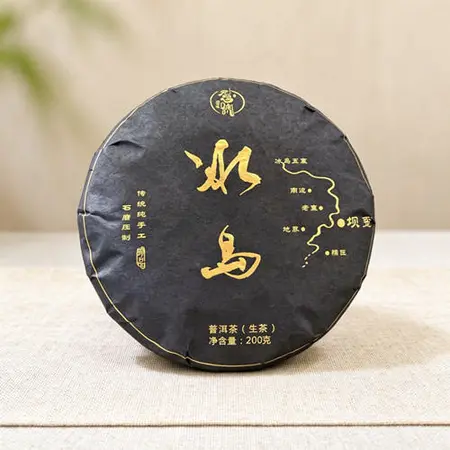
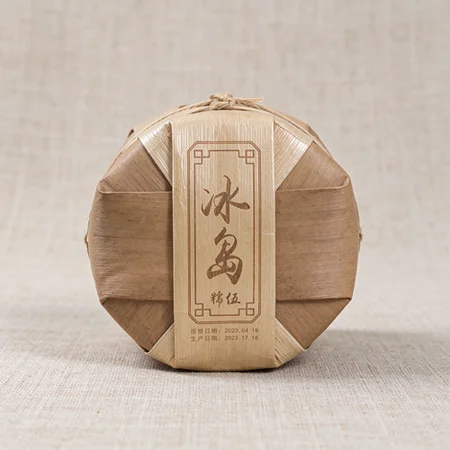
Among them, the highest price is 76,000 yuan/kg for the ancient tea trees in Midi. The price for the ancient tea trees in Prince Mansong Mountain is 45,000 yuan/kg, and for mixed harvest (or large trees) it is 5,000 yuan/kg. For Bingdao Laozhai, the price is 35,000 yuan/kg for the first grade and 20,000 yuan/kg for the second grade. For Yiwu Mintang, the price is 25,000 yuan/kg for the first grade and 9,000 yuan/kg for the second grade. For Langshan Laobanzhang, the price is 8,500 yuan/kg for the ancient tea trees and 3,500 yuan/kg for mixed harvest (or large trees). For Fenghuangwo (sun-cured), the price is 28,000 yuan/kg for the ancient tea trees.
From the ranking of 108 well-known tea hilltops in Yunnan released this time, it can be seen that the cost-effectiveness of the first tier is comparable to that of last year. Except for a few famous mountains and ancient tree teas or single-tree raw material procurement prices that have increased by more than 15%, the overall prices have decreased.